
2026 Best Bowling Lane Manufacturer Price Guide?

Time:2026-09-06 Author:Mason
0%

Choosing a bowling lane manufacturer in 2026 requires more than comparing attractive package prices. A lane is a long-term operating asset, not merely polished wood beneath bright lights. This guide examines manufacturer pricing, installation costs, materials, technology, and after-sales support. It also addresses the search term “Fabricant Piste Bowling Prix,” which may help buyers researching French-language supplier information. Real quotations vary widely. They depend on lane length, synthetic or wood surfaces, scoring systems, shipping distance, and building preparation.

Experience from bowling center projects shows that the lowest initial quote can become expensive later. Weak subfloor preparation may cause uneven ball movement, while poor finishing can increase maintenance work. Small details matter. Ask whether the price includes gutters, pinsetters, bumpers, approach areas, wiring, delivery, and commissioning. Request written warranty terms and recent customer references. Reputable manufacturers should explain their testing methods, maintenance schedules, and replacement-part availability clearly. Independent verification is useful. A supplier’s brochure cannot replace a site inspection or a complete technical proposal. Even professional estimates can miss local labor costs or electrical upgrades. That uncertainty deserves attention, not concealment. This 2026 price guide offers a practical framework for comparing manufacturers fairly, identifying hidden expenses, and selecting equipment that supports safe, consistent, and profitable bowling operations. Expect figures to change. Markets move.
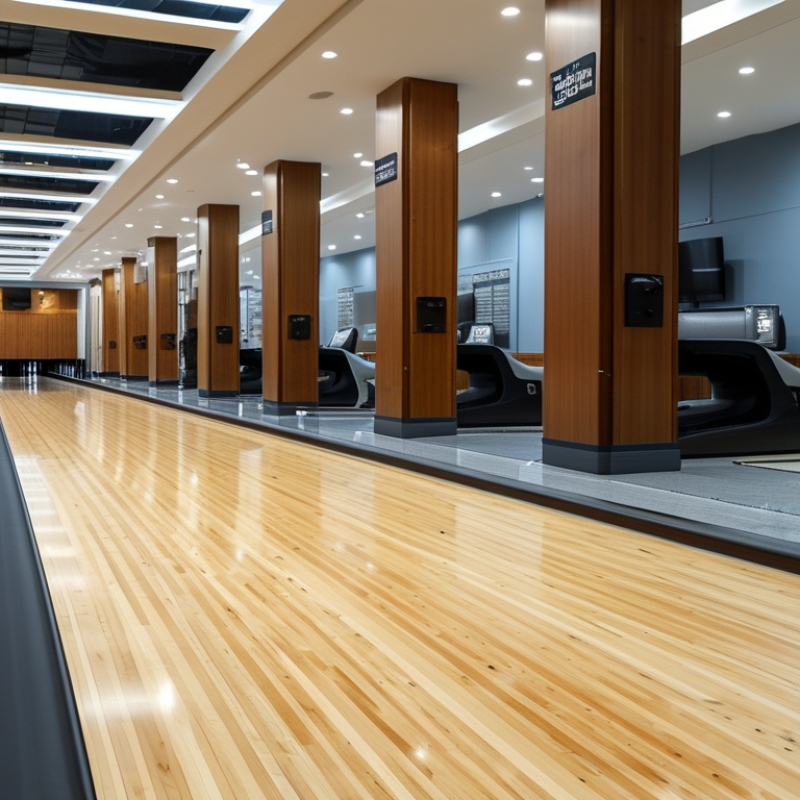
2026 Best Bowling Lane Manufacturer Price Guide?

Bowling Lane Manufacturers: Types, Materials, and Core Features

2026 Best Bowling Lane Manufacturer Price Guide

Bowling lane manufacturers typically offer traditional wood, synthetic, or hybrid systems. Traditional lanes combine hard maple near the foul line with pine toward the pin deck. They provide familiar ball response, but require regular resurfacing and moisture control. Synthetic panels resist wear better and simplify cleaning. They can feel less natural under certain bowling balls. That difference matters.

The United States Bowling Congress specifies a lane length of 60 feet from the foul line to the headpin. Its Equipment Specifications and Certifications Manual also lists a lane width of 41.5 inches. These measurements affect panel alignment, pinsetter integration, gutter placement, and installation costs. Experienced operators should request dimensional drawings before comparing manufacturer prices. A low quote may exclude subfloor repairs, leveling, delivery, or calibration.

Core features include impact-resistant surfaces, sealed joints, adjustable gutters, certified lane conditioners, and compatible scoring systems.

A 2024 Grand View Research market report estimates continued growth in the global bowling centers market through 2030, increasing demand for durable commercial installations.

However, market growth does not guarantee equal quality. Ask for wear-test results, maintenance intervals, warranty limits, and replacement-panel availability. Installation records from similar venues are useful evidence. I would not choose synthetic panels solely for their longer service life; ball reaction, local humidity, and technician skill can change the result. Price comparisons often look precise, but hidden site conditions make them imperfect.

How Bowling Lane Manufacturing and Installation Work

Bowling lane manufacturing begins with a detailed site survey, not a catalog choice. Technicians measure room length, width, ceiling height, and floor levels. Moisture readings matter. Excess moisture can warp timber components or weaken adhesive bonds.

Manufacturers normally prepare lane boards, approach sections, gutters, and pin deck parts in controlled conditions. Selected hardwood or engineered materials are cut, joined, sanded, and sealed for consistent ball movement. Each section needs accurate dimensions. Even a small height difference can affect play and create maintenance problems. The subfloor must be clean, dry, and stable before installation begins. Installers usually correct uneven areas before positioning the lane sections. They then align the boards, secure the structure, fit the gutters, and install the approach surface. Electrical and scoring systems require separate coordination.

The final stage includes sanding, coating, lane conditioning, and performance checks. Technicians inspect board alignment, foul line position, pin deck height, and ball return operation. Lighting should avoid glare across the lane surface. Ventilation also helps coatings cure properly. From practical installation experience, rushed preparation causes more trouble than careful assembly. I have seen attractive surfaces fail because the subfloor was ignored. That mistake is easy to underestimate. Price depends on material grade, lane length, site repairs, delivery distance, installation labor, and equipment integration. A dependable quotation should list each item clearly, including future refinishing needs. Some estimates look affordable until access work and electrical preparation appear later.

2026 Best Bowling Lane Manufacturer Price Guide? – How Bowling Lane Manufacturing and Installation Work

Typical 2026 planning ranges for commercial bowling lanes. Prices are indicative project estimates in USD and vary according to building conditions, lane quantity, finishes, local labor rates, shipping, taxes, and equipment specifications.

Project Component Typical Specification Indicative Price Range Manufacturing or Installation Work Typical Lead Time Important Cost Factors
Complete commercial bowling lane package One regulation-size lane with lane surface, approach, gutters, pin deck, ball return, scoring interface, and basic control equipment. $35,000–$75,000 per lane Engineering, material preparation, lane assembly, pinsetter integration, ball-return installation, scoring setup, testing, and commissioning. Approximately 10–24 weeks Lane quantity, automation level, building readiness, shipping distance, finish quality, and local installation labor.
Synthetic lane surface High-density synthetic boards or panels designed for repeated commercial use. $8,000–$18,000 per lane Subfloor inspection, leveling, panel cutting, joint alignment, anchoring, sealing, and final surface calibration. Approximately 2–6 weeks for production Panel thickness, wear layer, lane markings, moisture protection, subfloor condition, and required custom dimensions.
Hardwood lane surface Maple or mixed hardwood lane construction with a finished approach and protective coating system. $12,000–$25,000 per lane Wood selection, kiln conditioning, milling, installation, sanding, lane marking, coating, curing, and quality inspection. Approximately 4–10 weeks for production Wood grade, humidity control, coating system, custom staining, subfloor repairs, and long-term maintenance requirements.
Approach area Regulation-style approach area positioned before the foul line, commonly integrated with the lane package. $3,000–$8,000 per lane Subfloor leveling, approach-panel installation, foul-line positioning, transition adjustment, and slide-area finishing. Included in normal lane installation Surface material, moisture levels, transition design, floor height, and accessibility requirements.
Gutters and capping Side gutters, lane dividers, pit capping, and protective trim for commercial operation. $2,000–$6,000 per lane Gutter alignment, drainage or cleaning access preparation, side-wall fitting, capping installation, and safety checks. Approximately 1–3 weeks Material type, decorative finish, bumper compatibility, lane spacing, and replacement access.
Pinsetter system Automatic pin-setting equipment with pin detection, cycle control, safety guarding, and maintenance access. $15,000–$35,000 per lane Mechanical assembly, electrical connection, pit integration, pin handling setup, sensor calibration, and operational testing. Approximately 6–16 weeks Automation level, new or refurbished equipment, electrical service, pit depth, safety compliance, and service availability.
Ball-return system Under-lane or above-ground return system sized for commercial bowling traffic. $4,000–$12,000 per lane Return-track installation, motor connection, ball-stop fitting, noise control, alignment, and safety testing. Approximately 2–8 weeks Return layout, shared or individual system, speed control, acoustic treatment, and floor access.
Scoring and control equipment Automatic scoring, lane consoles, overhead displays, foul detection, control software, and network hardware. $5,000–$15,000 per lane Display mounting, cabling, network configuration, scoring calibration, software setup, and staff training. Approximately 4–12 weeks Display size, software functions, touchscreen consoles, central server requirements, integration, and support plans.
Lane installation labor Professional installation for a prepared commercial site. $8,000–$20,000 per lane Site measurement, unloading, assembly, leveling, equipment integration, electrical coordination, testing, and handover. Approximately 1–3 days per lane Travel distance, floor condition, lane count, access restrictions, building height, local wages, and project scheduling.
Subfloor preparation Concrete or structural floor prepared to support accurate lane alignment and long-term stability. $3,000–$12,000 per lane Moisture testing, crack repair, leveling, reinforcement, vapor protection, height correction, and curing. Approximately 1–4 weeks Existing floor condition, moisture remediation, elevation differences, demolition, curing time, and structural engineering.
Acoustic and building work Ceiling, wall, and equipment-room treatments intended to reduce bowling and mechanical noise. $10,000–$40,000 per venue Acoustic panel installation, wall treatment, ceiling treatment, equipment-room separation, and ventilation coordination. Approximately 2–8 weeks Venue size, local building codes, ceiling height, HVAC design, fire protection, and target noise level.
Lighting and electrical services Lane lighting, general illumination, dedicated circuits, low-voltage cabling, and equipment connections. $5,000–$25,000 per venue Electrical design, conduit installation, panel upgrades, lighting installation, grounding, network cabling, and inspection. Approximately 2–6 weeks Existing electrical capacity, utility requirements, lighting design, ceiling access, permits, and regional electrical rates.
Freight and delivery Crated lane materials, machinery, displays, replacement parts, and installation tools delivered to the site. $2,000–$10,000 per project Packaging, container loading, freight coordination, unloading, inspection, storage, and movement into the bowling area. Approximately 1–6 weeks Origin and destination, number of lanes, delivery access, customs, fuel costs, lift equipment, and storage time.
Maintenance allowance Annual budget for lane conditioning, surface care, pinsetter service, scoring support, and replacement parts. $2,000–$8,000 per lane annually Preventive inspections, cleaning, lubrication, calibration, software support, surface maintenance, and component replacement. Scheduled monthly to annually Daily games, operating hours, maintenance staffing, equipment age, spare-parts inventory, and service-contract coverage.
Typical installation sequence Site survey → subfloor preparation → electrical and network work → lane assembly → pinsetter and ball return → scoring setup → testing. Project-dependent Installers verify dimensions, establish a level reference, align lane components, connect systems, test safety functions, and train operators. Approximately 4–12 weeks on site, depending on project scope Construction readiness, permit approvals, equipment delivery, number of lanes, coordination with other contractors, and inspection schedules.
Planning note: A new commercial venue commonly budgets approximately $50,000–$120,000 per installed lane when lane equipment, installation, building preparation, electrical work, freight, and commissioning are included. These figures are planning ranges rather than quotations. A final price should be based on a site survey, lane count, floor drawings, local code requirements, delivery conditions, and a written installation scope.

2026 Bowling Lane Prices by Product Type and Specifications

In 2026, bowling lane prices depend heavily on product type, construction, and installation scope.

A commercial synthetic lane package

$18,000 to $35,000 per lane

Traditional hardwood lanes

$25,000 to $45,000

These estimates usually include lane panels, gutters, pin deck materials, and basic fitting. They may exclude building work, scoring equipment, freight, and local taxes.

Lane specifications change the final quotation.

60 feet
from the foul line to the headpin
41.875-inch
typical width
15 feet
approach normally adds

The approach normally adds 15 feet. Synthetic surfaces offer consistent ball response and easier cleaning. Hardwood provides a warmer appearance but needs careful humidity control and periodic refinishing.

Mini-bowling lanes use shorter lengths and smaller equipment, making them suitable for entertainment venues with limited space. They usually cost less, but their pricing varies widely.

Ask for a detailed specification sheet.

Compare wear layers, subfloor requirements, oil compatibility, warranty terms, and replacement procedures.

A thicker synthetic wear layer can raise the initial price but reduce maintenance interruptions. Installation labor may add 15% to 30%, especially when flooring or electrical work needs correction.

These figures are practical planning ranges, not fixed offers. A tidy price table can still mislead. I would request site measurements before trusting any final budget.

Key Factors That Influence Bowling Lane Manufacturer Costs

2026 Best Bowling Lane Manufacturer Price Guide

A bowling lane quote reflects more than the lane surface. Material choice is usually the largest cost driver. Solid hardwood offers a traditional feel, but engineered systems may reduce installation time. Synthetic surfaces can improve consistency and simplify routine maintenance. Price also changes with lane length, approach width, gutters, pin areas, and scoring equipment.

Installation conditions matter greatly. A level, reinforced subfloor prevents costly corrections later. Older buildings may require moisture testing, electrical upgrades, or floor removal. Freight charges rise when lanes need special protection or long-distance delivery. On-site labor can include alignment, sanding, sealing, curing, and final calibration. These services should appear clearly in the quotation.

Customization adds another layer. Custom colors, logos, lighting, sound systems, and automatic scoring controls increase both equipment and labor costs. A stronger warranty may also raise the initial price, but it can protect cash flow during repairs. Ask whether replacement parts, training, inspections, and maintenance visits are included. Small omissions matter.

I have seen buyers focus too heavily on the lowest headline price. That approach can create expensive surprises. A detailed comparison should separate manufacturing, shipping, installation, taxes, and future upkeep. Even a professional estimate can miss local building conditions. Leave room for adjustments. Reliability often comes from transparent specifications, documented testing, and responsive technical support.

How to Choose the Best Bowling Lane Manufacturer in 2026

How to Choose the Best Bowling Lane Manufacturer in 2026

Choosing a bowling lane manufacturer starts with operating conditions, not the lowest quotation. The SFIA 2024 Topline Participation Report recorded more than 67 million U.S. bowling participants in 2023. Heavy traffic increases wear around the foul line, arrows, and pin deck. Ask manufacturers for tested durability data, surface hardness, and replacement procedures. A polished showroom sample is not enough.

Confirm dimensional accuracy against International Bowling Federation specifications. A regulation lane measures 60 feet from the foul line to the headpin and approximately 41.5 inches wide. Small installation errors can affect ball reaction and customer trust. Request a written site survey, moisture assessment, subfloor plan, and installation timeline. Measure twice. That matters.

Price comparisons should include freight, leveling, installation, resurfacing, warranty coverage, and staff training. Bowling Proprietors’ Association of America operational guidance repeatedly emphasizes maintenance planning and lifecycle costs. A cheap lane can become expensive when parts are difficult to source. I would also inspect an operating installation, not only a new one. Ask the operator about repairs after twelve months. Manufacturers may provide impressive guarantees, but actual maintenance records reveal more. Some quotes remain unclear about downtime, and that weakness deserves scrutiny before signing.

FAQS

: What types of bowling lanes are commonly available?

: Manufacturers usually offer wood, synthetic, and hybrid lanes. Wood feels traditional. Synthetic panels usually resist wear and clean more easily.

What materials are used in traditional wood lanes?

Hard maple often covers the approach area near the foul line. Pine commonly extends toward the pin deck. Moisture control remains important.

What are the standard lane dimensions?

A regulation lane measures 60 feet from the foul line to the headpin. Its width is approximately 41.5 inches. Small errors can affect ball reaction.

What features should a commercial bowling lane include?

Look for impact-resistant surfaces, sealed joints, adjustable gutters, and compatible scoring systems. Replacement panels should also be easy to source.

What factors affect bowling lane prices?

Material choice, lane size, freight, installation, leveling, and scoring equipment affect the quote. Custom lighting and colors add further costs.

What site conditions should buyers check before installation?

Inspect the subfloor for levelness, strength, and moisture. Older buildings may need floor removal or electrical upgrades. Surprises happen.

How can operators compare manufacturers fairly?

Request dimensional drawings, wear-test results, warranty limits, and maintenance schedules. Visit an operating installation. A showroom sample may hide future problems.

Are synthetic lanes always the best choice?

Not necessarily. They may last longer and simplify cleaning. However, ball response, humidity, and technician skill can change the experience.

What should a detailed quotation include?

The quotation should separate manufacturing, delivery, installation, taxes, calibration, and future upkeep. Confirm staff training and replacement parts. No estimate is perfect.

Conclusion

This 2026 guide explains how to evaluate bowling lane manufacturers by comparing lane types, construction materials, surface finishes, durability, maintenance needs, and essential features such as approach areas, gutters, pin decks, and scoring compatibility. It also outlines the main stages of manufacturing and installation, from design measurement and material preparation to delivery, professional assembly, alignment, and final testing. Understanding these processes can help operators plan a reliable and long-lasting bowling facility.

The guide also presents estimated 2026 bowling lane prices according to product type, dimensions, materials, customization, and technical specifications. It examines major cost factors, including labor, transportation, installation conditions, lane technology, maintenance requirements, and project scale. For buyers researching Fabricant Piste Bowling Prix, the final section offers practical advice on selecting a suitable manufacturer by reviewing production quality, technical support, warranty coverage, customization options, installation expertise, and long-term service. This approach helps businesses compare proposals accurately and choose a solution that balances performance, safety, appearance, and overall value.

Mason

Mason

Mason is a seasoned marketing professional with a deep expertise in the company's offerings and a passion for driving brand awareness. With a strong background in digital marketing strategies, he has an innate ability to connect with diverse audiences and effectively communicate product benefits.......