
How to Choose Outdoor Bowling Equipment for Global Buyers?

Time:2026-10-11 Author:Sienna
0%

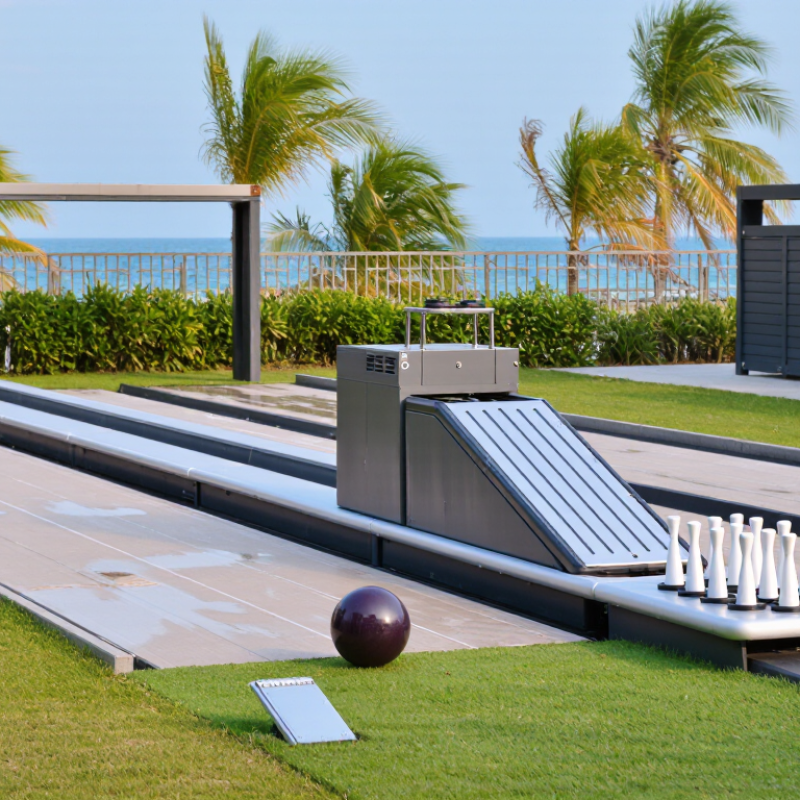
Choosing outdoor bowling equipment requires more than comparing prices or copying an indoor lane specification. Global buyers must assess climate, surface conditions, transport routes, installation skills, and expected player volume. A coastal resort may need corrosion-resistant frames, while a community venue in a cold region may require removable equipment and protected storage. Small details matter, such as drainage beneath the lane and grip performance after light rain.

Industry data supports careful planning. The SFIA 2024 Topline Participation Report identifies bowling as a significant U.S. recreational activity, although it does not measure outdoor formats separately. This limitation matters. Participation figures cannot automatically predict demand for Bowling Exterieur. Grand View Research and Technavio publish broader bowling and sports-equipment market estimates, but their categories and forecasting methods differ. Buyers should compare definitions before trusting a market-size number.

Technical reliability should lead the purchasing decision. World Bowling’s official specifications provide useful reference points for balls, pins, lanes, and playing standards. However, outdoor installations often need additional evaluation for ultraviolet exposure, moisture, uneven ground, and repeated public use. Ask suppliers for material specifications, load testing, warranty terms, replacement-part availability, and installation records. Request photographs from similar climates.

No checklist is perfect.

An experienced buyer should test one sample lane before ordering hundreds of units. Measure ball roll, pin stability, cleaning time, and storage space during real operating conditions. Independent inspection can also reveal weaknesses that product brochures hide. Prices may look attractive, but freight, customs handling, surface preparation, and after-sales support can change the final cost sharply. A transparent supplier explains these risks instead of promising effortless performance.
How to Choose Outdoor Bowling Equipment for Global Buyers?

Understanding Outdoor Bowling Equipment and Its Main Components

Outdoor Bowling Equipment for Global Buyers

Outdoor bowling equipment is more than a ball and pins. It is a complete playing system designed for changing surfaces, weather, and user ability. The main components include bowling balls, pins, a portable lane or target area, frames, scoring tools, and protective storage. For outdoor use, buyers should inspect UV resistance, drainage, grip stability, and temperature tolerance. A ball that feels comfortable indoors may become slippery on damp grass.

Market data shows why careful selection matters. The Sports & Fitness Industry Association reported about 28.7 million bowling participants in the United States in 2023. Meanwhile, Grand View Research identifies recreational participation and equipment replacement as important market drivers. These figures do not prove that every outdoor product will perform well. They show a large user base with varied expectations. Global buyers should request test results, material specifications, and clear maintenance instructions before ordering.

Surface compatibility deserves close attention. A compact plastic lane can suit schools and resorts, while weighted rubber mats may work better on uneven ground. Pins should resist cracking after repeated impacts. Balls need balanced weight, visible markings, and a surface that remains controllable under sunlight. Storage cases should protect against dust and moisture. It sounds simple, but it is often overlooked. Buyers should also check local safety standards and shipping conditions. A useful evaluation includes ten repeated throws, wet-surface checks, and a review of replacement-part availability. Not every catalog specification survives real outdoor use.

Assessing Playing Environments, Climate, and Available Space

Outdoor Bowling Equipment for Global Buyers

Outdoor bowling begins with the site, not the equipment catalogue. Measure the playing area, access paths, and storage corner before selecting bowls, pins, mats, or targets. A compact courtyard may need lighter equipment and foldable markers. A large grass field can support heavier sets, but uneven ground may affect rolling accuracy. Check drainage after rain. A polished surface is not always a practical surface.

Climate changes material performance. In hot regions, direct sunlight can soften some plastics and fade painted markings. Choose UV-resistant components and store them in a shaded, ventilated cabinet. Humid or coastal locations require corrosion-resistant fittings and quick-drying bags. Cold conditions can make certain materials brittle. Read the supplier’s temperature guidance carefully. It is often overlooked.

Wind deserves attention. Lightweight pins or targets may move during play, especially on exposed fields. Wider bases can improve stability, although they may reduce portability. Test the equipment outdoors before placing a large order. I have seen buyers focus on appearance and discover that the set is difficult to carry across wet grass. That mistake is avoidable. Still, no specification replaces a local trial. Soil, slope, and user strength vary widely. Keep clear playing boundaries, inspect damaged pieces, and select equipment that matches the site’s real daily conditions.

Comparing Materials, Durability, Safety, and Maintenance Requirements

Outdoor bowling equipment must match the climate, playing surface, and transport route. For hot, sunny sites, UV-stabilized polymer resists fading better than untreated plastic. Marine-grade stainless hardware helps in humid coastal areas, while powder-coated steel can work indoors or under cover. Wood feels warm and traditional, but repeated rain causes swelling unless sealing is renewed. No material wins everywhere. I would request samples, weigh the components, and inspect joints before approving a large shipment.

Durability is not just impact resistance. A heavy ball may survive years, yet create handling risks for children or older players. Choose rounded edges, stable bases, controlled ball weight, and non-slip contact surfaces. Test the setup on slightly uneven ground; many products feel secure on a showroom floor but shift outdoors. Keep clear spacing around the lane and check that moving parts cannot pinch fingers. Ask suppliers for load tests, material specifications, and documented quality inspections, not vague promises.

Maintenance requirements can decide real ownership cost. Smooth, non-porous surfaces are easier to wash after dust, sunscreen, or spilled drinks. Design removable covers and drainage points carefully, because trapped water often causes odor and corrosion. A practical routine may include rinsing, mild detergent, drying, and checking fasteners every few weeks. Use cleaning chemicals only after confirming surface compatibility. I have seen attractive equipment deteriorate because staff skipped one small drain. That mistake is easy to repeat. Global buyers should confirm spare-part availability, packaging protection, and climate-specific care instructions before payment.

How to Choose Outdoor Bowling Equipment for Global Buyers? - Comparing Materials, Durability, Safety, and Maintenance Requirements
Equipment Component Common Material Options Typical Outdoor Durability Weather and UV Resistance Impact and Wear Performance Safety Considerations Maintenance Requirements Best Climate or Use Case Key Buyer Checks
Bowling Balls or Lawn Bowls UV-stabilized polyethylene, polypropylene, phenolic resin, or other engineered composite resin High-quality outdoor balls commonly provide approximately 5–10 years of regular service when stored correctly. Actual life depends on impact frequency, surface hardness, and exposure. Good to Excellent Resin and polyethylene offer good resistance to repeated rolling and moderate impacts. Hard concrete can accelerate scuffing and surface wear. Use correctly sized and weighted equipment. Avoid cracked, heavily deformed, or excessively damaged balls that may roll unpredictably. Wash with mild soap and water, remove sand, dry fully, and store away from prolonged direct sunlight and extreme heat. Suitable for parks, resorts, schools, clubs, and recreational areas in most climates. Confirm diameter, weight tolerance, balance, rolling consistency, UV stabilizer specification, and compliance with applicable product-safety requirements.
Bowling Pins High-density polyethylene (HDPE), rotational-molded polyethylene, solid wood, or foam-filled plastic HDPE and rotational-molded plastic pins generally withstand outdoor handling better than untreated wood. Typical service life is about 3–8 years under regular recreational use. Good HDPE has good abrasion and impact resistance. Foam-filled designs reduce impact force but may show dents or surface damage sooner. Rounded edges and a stable base reduce trip and impact hazards. Softer or lightweight pins are preferable for children and mixed-age users. Clean regularly, inspect bases and seams, and replace pins with cracks, sharp edges, exposed filling, or severe deformation. Good for family entertainment, schools, temporary events, and general outdoor recreation. Check pin height, weight, base stability, material thickness, edge finishing, and whether the design is intended for outdoor use.
Jack or Target Ball UV-stabilized polyethylene, polypropylene, or durable composite resin Approximately 4–10 years is common for recreational outdoor use when the ball is not left outdoors continuously. Good to Excellent Hard plastic and composite materials resist normal rolling impacts. Repeated contact with rough aggregate can create scratches and flat spots. Choose a high-visibility color and a size that is easy to handle without creating a choking risk for the intended age group. Rinse off dust and grit after use. Store in a ventilated, shaded area and inspect for cracks or distortion. Useful for lawn bowling, garden games, resorts, and public recreation spaces. Check visibility, roundness, diameter, weight, color stability, and compatibility with the selected bowling balls.
Portable Outdoor Lane or Playing Mat Polypropylene turf, polyethylene fibers, PVC-coated fabric, rubber backing, or needle-punched synthetic fibers Typical service life ranges from 2–7 years, depending on fiber density, backing quality, traffic, drainage, and storage practices. Moderate to Good Dense synthetic fibers resist routine foot traffic. Thin materials may crease, curl, or wear faster on uneven or abrasive ground. Use a non-slip backing or secure the edges to reduce slipping and tripping. The surface should drain water and remain flat during play. Brush or vacuum loose debris, clean with mild detergent, allow to dry completely, and roll rather than sharply fold during storage. Best for temporary installations, events, patios, grass, and areas where a consistent playing surface is required. Verify dimensions, pile height, backing grip, drainage, edge treatment, roll weight, fire requirements where applicable, and resistance to color fading.
Equipment Frame, Rack, or Ball Stand Powder-coated steel, stainless steel, anodized aluminum, or UV-resistant plastic Powder-coated steel and stainless steel can provide approximately 5–15 years outdoors with suitable corrosion protection. Plastic racks are generally lighter but may have lower load capacity. Moderate to Excellent Steel provides high rigidity and load capacity. Aluminum resists corrosion but can dent more easily. Plastic is resistant to rust but may become brittle if poorly stabilized against UV. Choose rounded corners, stable feet, anti-tip features, and smooth welds or molded surfaces without exposed sharp edges. Inspect fasteners and joints, remove standing water, touch up coating damage, and lubricate moving parts where specified. Stainless steel is preferable for coastal or high-humidity areas; aluminum is useful where low weight and portability are important. Check corrosion grade, coating thickness, load capacity, anchoring method, assembly hardware, and replacement-part availability.
Outdoor Boundary Markers and Court Accessories UV-stabilized PVC, polypropylene, recycled rubber, galvanized steel, or aluminum Plastic markers commonly last about 2–6 years, while properly protected metal accessories may last 5–12 years depending on climate and handling. Moderate to Excellent Rubber and flexible plastics tolerate occasional contact better than rigid brittle plastics. Metal stakes provide strong anchoring but may bend or corrode. Use flexible or low-profile markers in areas with frequent pedestrian traffic. Avoid exposed pointed ends where children are present. Clean dirt and algae, check visibility, straighten or replace bent stakes, and remove accessories before severe storms or freezing conditions. Suitable for temporary courts, gardens, schools, event venues, and public recreation areas. Check color visibility, flexibility, anchoring strength, corrosion protection, edge safety, and resistance to frost or heat cycling.
Storage and Carrying Bag Polyester or nylon fabric with PVC or TPU coating, reinforced webbing, and corrosion-resistant zippers Approximately 2–6 years under regular transport use. Abrasion at handles, seams, and bottom panels is usually the primary failure point. Moderate Coated fabrics resist ordinary moisture and dirt, but prolonged sun exposure can weaken fibers and coatings over time. Use handles and straps rated for the full equipment load. Avoid overfilling, which can cause seam failure or difficult handling. Empty sand and moisture after each use, air-dry before closing, clean with mild soap, and store in a dry shaded place. Recommended for mobile programs, rental operations, schools, resorts, and buyers shipping equipment between locations. Check carrying capacity, stitching density, base reinforcement, drainage, zipper quality, ventilation, and spare-part or repair options.
Note: Service-life figures are indicative ranges for recreational outdoor use. Actual performance varies with material grade, UV exposure, temperature, humidity, salt air, playing surface, frequency of use, cleaning, and storage conditions.

Matching Equipment Specifications to Different Player Groups

How to Choose Outdoor Bowling Equipment for Global Buyers?

Matching equipment to player groups is more practical than choosing one universal set. A universal set sounds efficient, but it usually is not. The SFIA 2024 Topline Participation Report recorded about 11.5 million ten-pin bowling participants in the United States during 2023. This figure shows broad demand, but outdoor buyers need different specifications for children, casual adults, clubs, and adaptive players.

For children, select lightweight bowls, high-visibility colors, and shorter playing distances. A 1.0 to 1.2 kilogram bowl may feel manageable for many young beginners. Rounded edges and textured grips can improve handling. Casual adult groups often need medium-weight bowls, durable carrying cases, and weather-resistant materials. The European Commission’s Special Eurobarometer 525 reported that 45% of Europeans exercise or play sport at least weekly. That supports flexible equipment for mixed-skill community use.

Club players require consistent weight, balance, and surface response. Small differences become noticeable during repeated training. Outdoor surfaces also vary widely, from compact grass to synthetic lanes. Adaptive players may benefit from lighter bowls, tactile markings, and stable delivery ramps. Accessibility is not an optional detail. It changes the specification. Buyers should test equipment in real conditions, including wet grass, bright sunlight, and uneven storage areas. A common mistake is trusting catalogue measurements alone. No specification sheet replaces a test session. Even experienced buyers sometimes overlook hand size, transport distance, or local climate. That oversight can make technically excellent equipment uncomfortable and underused.

How to Choose Outdoor Bowling Equipment for Global Buyers?

Matching Equipment Specifications to Different Player Groups

The chart compares practical setup targets for different player groups. Younger players generally need lighter balls and shorter portable lanes, while adult training and tournament-style setups can use heavier balls and approach the standard ten-pin lane length of 18.29 m (60 ft). Ball weights are shown in kilograms, with common bowling ball increments converted from pounds. Local safety requirements and regional game rules should always be checked before purchase.

Evaluating Suppliers, Certifications, Shipping, and Total Costs

Choosing outdoor bowling equipment for global use starts with supplier evidence, not attractive photographs.

Request factory audit records, material specifications, load tests, and batch traceability. A reliable supplier should explain ball hardness, pin durability, lane-surface drainage, and replacement-part availability. ISO 9001 indicates a quality-management system, but it does not prove product safety. Ask for relevant laboratory reports and destination-market compliance documents.

Certification requirements vary by product and country.

Electrical scoring systems may require electromagnetic compatibility testing, while coatings and plastics may need chemical compliance checks. Confirm the testing laboratory’s accreditation and report number. I have found sample inspections useful. A sample can still hide production weaknesses, though. Inspect ten or more units when possible, including packaging, surface finish, and dimensions.

Shipping can change the purchase decision.

UNCTAD’s Review of Maritime Transport 2023 reports that over 80% of global merchandise trade moves by sea. Compare port-to-port and door-to-door quotations. Clarify Incoterms 2020, insurance, customs duties, inland delivery, and storage fees. The World Bank’s 2023 Logistics Performance Index scores logistics systems from 1 to 5 across customs, infrastructure, tracking, and timeliness. Use those indicators when comparing routes.

Calculate total landed cost: equipment, tooling, testing, packaging, freight, duty, tax, installation, and expected replacements. The cheapest quotation often excludes two or three of these items. That is where budgets fail.

FAQS

What components are included in an outdoor bowling equipment set?

A complete set may include balls, pins, portable lanes, frames, scoring tools, and storage cases. Each part supports a different playing need. Protective storage helps reduce dust and moisture damage. The equipment is more than balls and pins.

Which surfaces are suitable for outdoor bowling equipment?

Compact plastic lanes can work well on smooth ground. Weighted rubber mats may suit uneven grass or firm soil. Surface compatibility affects grip, balance, and delivery control. Test the equipment on the actual playing area.

How should buyers check weather resistance?

Inspect UV resistance, drainage, grip stability, and temperature tolerance. Damp grass can make a normally comfortable ball feel slippery. Strong sunlight may affect visible markings and surface texture. Weather testing is necessary.

What should buyers look for in outdoor bowling balls?

Choose balanced balls with visible markings and controllable surfaces. Weight should match the player’s strength and skill. A stable grip matters during wet or warm conditions. Test ten repeated throws.

How can equipment suit children?

Children often need lightweight bowls, bright colors, rounded edges, and textured grips. A weight between 1.0 and 1.2 kilograms may suit many beginners. Shorter playing distances can reduce frustration. Children still vary widely.

What equipment suits casual adult groups?

Casual groups usually need medium-weight bowls, durable carrying cases, and weather-resistant materials. Mixed-skill players benefit from flexible equipment. Comfortable handling encourages more repeated play. One universal set may not satisfy everyone.

What specifications matter for club players?

Club players need consistent weight, balance, and surface response. Small differences become noticeable during repeated training. Replacement parts should be available locally or through reliable shipping. Catalog measurements are not enough.

How can equipment support adaptive players?

Lighter bowls, tactile markings, and stable delivery ramps may improve accessibility. Equipment should match individual movement and handling needs. Clear space around the delivery area also matters. Test the setup with real users.

How should global buyers test equipment before ordering?

Test repeated throws on grass, synthetic lanes, and uneven ground. Include wet-surface checks and bright-sunlight observations. Inspect pins for cracking after repeated impacts. Review shipping conditions, safety requirements, maintenance instructions, and replacement-part availability.

What storage features are important outdoors?

Storage cases should resist dust and moisture. They should also protect balls and pins during transport. Check handles, closures, drainage, and available space. Storage is easy to ignore. That can shorten equipment life.

Conclusion

Choosing outdoor bowling equipment for global buyers requires more than comparing prices. Start by understanding the complete setup, including bowling balls, pins, lanes, boundary elements, storage, and protective accessories. Evaluate the playing environment carefully: climate, sunlight, humidity, drainage, wind exposure, ground conditions, and available space can all affect performance and product life. Buyers should compare materials, construction quality, durability, safety features, cleaning needs, and replacement requirements before making a decision. The term Bowling Exterieur may refer to outdoor-focused equipment, so specifications should clearly indicate whether each component is designed for regular exterior use.

Equipment must also match the intended players, from children and beginners to clubs, resorts, schools, and professional-style training areas. Finally, assess suppliers through product documentation, relevant certifications, quality control, packaging, shipping arrangements, lead times, warranty terms, and after-sales support. A complete cost review should include installation, maintenance, spare parts, transportation, taxes, and future replacement expenses. This structured approach helps international buyers select safe, practical, durable, and cost-effective outdoor bowling solutions.

Sienna

Sienna

Sienna is a skilled marketing professional with a deep expertise in our company’s core products and services. With a passion for innovation and detail, she plays a pivotal role in crafting insightful blog posts that not only highlight the unique features of our offerings but also provide valuable......