
Finding reliable croquet ball suppliers in China requires more than comparing online prices. Buyers need suppliers that understand ball weight, diameter, surface finish, color consistency, and outdoor durability. These details affect how the balls roll across grass, resist impact, and remain attractive after repeated use. The term “Bolas De Croquet” may also appear in Spanish-language searches, helping buyers reach broader markets and supplier networks.
A practical search begins with verified manufacturing experience. Review factory photographs, production videos, product specifications, and customer feedback. Ask whether the supplier produces croquet balls in-house or relies on another factory. Request samples before discussing large orders. Hold each sample, check its balance, and compare its diameter with the agreed specification. A simple outdoor test can reveal uneven rolling or weak coating.
Reliable suppliers should explain their materials clearly. They should provide packaging details, inspection procedures, lead times, and export documentation. Independent testing may be useful for larger projects, especially when products are sold through retailers or sports clubs. Communication matters too. A supplier that answers technical questions precisely is usually easier to manage during production.
Not every polished website proves real capability. That is easy to overlook. Some buyers focus too heavily on price and regret it later. A careful sourcing process should include factory verification, sample approval, written specifications, and quality checks before shipment. Even experienced buyers can miss small issues, such as color variation or inadequate carton protection. This guide explores practical ways to identify dependable croquet ball suppliers in China and build a safer, more transparent purchasing relationship.
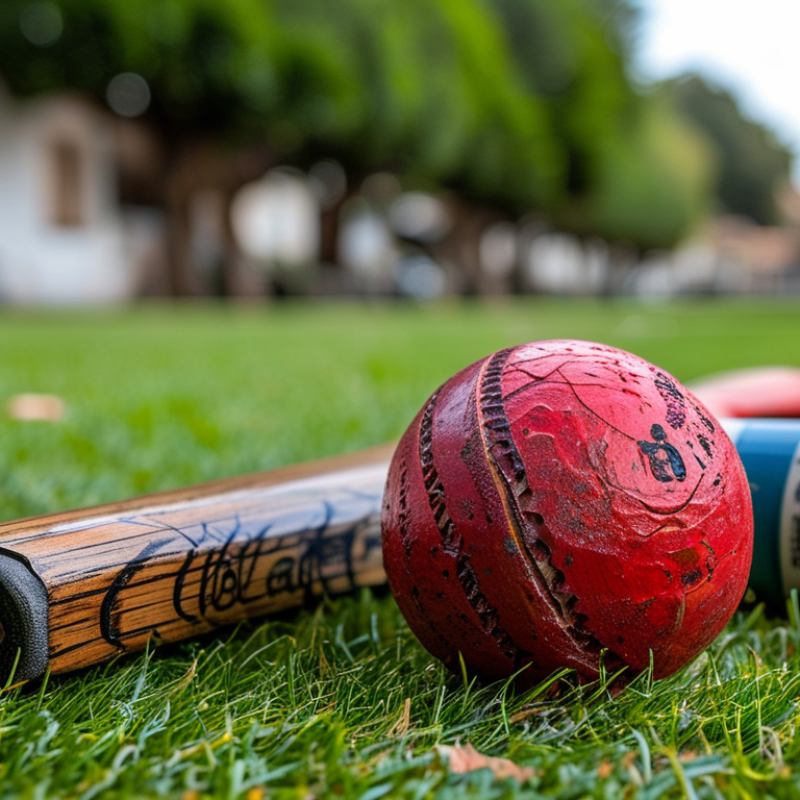
When sourcing croquet balls in China, begin with the playing standard, not the catalog image. WCF specifications identify a 92 mm diameter and a 454 g weight. These figures should guide every supplier discussion. Ask for actual measurement records from recent production batches. Do not accept “tournament quality” as proof.
A reliable factory should measure diameter with calibrated digital calipers and weight with a verified scale. Request several samples, not just one polished ball. Check roundness, surface smoothness, color consistency, and balance. A ball may feel solid but still roll unevenly. That small defect becomes obvious on a flat lawn. Inspectors can also compare samples from different cartons to identify batch variation.
Keep the tolerance clear.
Suppliers should explain their material formula, molding process, curing time, and final inspection steps. They should provide pre-shipment photos, test reports, and traceable batch numbers. An independent inspection in China can verify the 92 mm and 454 g requirements before payment is completed. Packaging also deserves attention because heat and impact may affect the finish during transport.
One common sourcing mistake is trusting the first sample too quickly. It may be unusually well selected. A second sample can reveal inconsistent production. Ask difficult questions, record every answer, and require written approval standards. The cheapest quotation is rarely useful if weight, diameter, or balance changes between batches.
How to Find Top Croquet Balls Suppliers in China?
China’s croquet ball suppliers are easier to compare when the market is mapped by product type. Tournament balls usually require consistent diameter, weight, hardness, and surface finish. Practice balls may accept wider tolerances and lower unit costs. Children’s sets often use lighter plastic balls with brighter colors and softer impact behavior. Garden croquet products sit between these groups, with durability valued over strict competition specifications. Ask suppliers for tolerance sheets, sample records, and production photos. A polished catalog is not proof.
Material selection changes play and service life. Solid polymer balls resist moisture and suit outdoor clubs. Phenolic or other hard resin compounds can offer a sharper strike, but their formulation needs careful verification. Some suppliers use layered construction, which may hide internal voids or uneven density. Request density data, hardness testing, UV exposure results, and colorfastness evidence. Sample testing is more useful than promises. Yet one sample can mislead. Check several batches.
Certification should match the destination market and intended use. Ask for test reports showing the laboratory, test date, sample identity, and applicable standard. General factory certificates do not automatically validate the ball itself. Review quality systems, material declarations, packaging controls, and traceability procedures. During a factory call, ask how rejected balls are recorded and replaced. The answer reveals daily discipline. Be careful with copied certificates and unexplained logos. An independent pre-shipment inspection remains sensible, especially for first orders.
Map China’s Supplier Landscape by Product Type, Materials, and Certification
For tournament sourcing, distinguish WCF-approved international balls from USCA-specification balls. Recreational balls should be evaluated separately because they may not follow tournament dimensions.
Most commercial croquet balls are produced from molded polymer or resin-based compounds. Ask suppliers for the exact resin type, density, hardness, color stability, and production samples.
WCF approval is relevant for international competition, while USCA specifications are relevant for American tournament play. Request current test reports and batch-level quality records.
The chart compares published tournament specifications rather than individual company or brand data. WCF reference values are 92.0 ± 0.5 mm diameter and 453 ± 3 g mass. USCA tournament specifications are approximately 3 5/8 inches diameter and 1 pound mass.
When evaluating Chinese croquet ball suppliers, ISO 9001 should be a starting checkpoint, not a decorative certificate. The ISO Survey 2022 recorded 1,265,216 valid ISO 9001 certificates worldwide. That figure shows its reach, but not a factory’s actual process discipline. Request the certificate number, scope, issuing body, and latest surveillance record. Confirm that the scope covers sports-ball manufacturing, not only trading or packaging. Inspect incoming-material controls, molding records, calibration logs, and nonconformity reports. A factory should explain what happens when one ball fails weight or roundness checks. Vague answers matter.
Ask for a written QC plan before approving samples. Check diameter, mass, rebound, compression, surface finish, and color consistency. Compare measurements with current World Croquet Federation equipment requirements. Request samples from different production cavities, not only hand-selected pieces. Mark them, measure them twice, and repeat the rebound test after storage. Small differences can become obvious during play. NIST Manufacturing Extension Partnership materials commonly associate poor quality with 15–20% of sales, showing why early testing protects margins. A report is useful evidence, but it can still hide weak sampling. I would also request recent internal defect data, corrective-action records, and a short live video of testing. One weakness remains: a clean sample does not guarantee stable mass production. Check again before shipment.
| Verification Dimension | What to Verify | Reference or Test Method | Minimum Evidence to Request | Recommended Acceptance Benchmark | Risk if Not Verified |
|---|---|---|---|---|---|
| Quality Management System | Confirm that production, inspection, corrective action, and document control are managed through a formal quality system. | ISO 9001:2015 certificate verification and manufacturing-site audit. | Valid certificate, certification scope, issuing certification body, expiry date, and latest audit status. | Certificate is valid, covers the relevant manufacturing activity, and matches the audited production location. | Uncontrolled processes, inconsistent batches, and weak corrective-action records. |
| Material Traceability | Check whether rubber, resin, pigments, packaging, and finished balls can be traced to purchase and production records. | Lot-number review, incoming-material inspection, and batch-record sampling. | Material specifications, supplier lot numbers, production dates, batch codes, and retained-sample records. | Every production batch has a unique code linked to material and inspection records. | Defective products cannot be isolated or investigated efficiently. |
| Dimensional Accuracy | Verify ball diameter, roundness, weight, and visible surface uniformity against the approved product specification. | Calibrated digital calipers, weighing scales, roundness gauge, and sampling inspection. | Inspection report showing instrument identification, calibration status, sample size, and measured results. | Use buyer-approved tolerances; no critical dimensional defect and no visible deformation in the inspected sample. | Unpredictable rolling behavior and possible non-compliance with the intended game specification. |
| Hardness and Resilience | Assess whether the material provides consistent rebound, impact resistance, and service performance. | Shore hardness measurement, controlled rebound comparison, and repeated-impact testing defined in the purchase specification. | Test method, equipment details, environmental conditions, raw readings, and acceptance limits. | Results remain within the agreed specification before and after the defined impact or aging sequence. | Premature cracking, inconsistent play, or excessive deformation during use. |
| Surface Finish and Color | Inspect gloss, coating adhesion, color consistency, seams, bubbles, scratches, and contamination. | Visual inspection under controlled lighting, coating-adhesion check where applicable, and color comparison against an approved master sample. | Defect classification standard, approved color sample, inspection photos, and batch-level defect records. | No critical defects; cosmetic defects remain within the agreed AQL or buyer-approved limit. | High rejection rates, poor appearance, and coating failure after handling. |
| Sample Review | Compare pre-production or production samples with the approved specification and artwork or packaging requirements. | Review at least one complete sample set, including product, packaging, labels, and accessories. | Signed sample approval, revision number, sample photos, packaging layout, and change-control procedure. | Mass production starts only after written sample approval; all later changes require documented approval. | Production may not match the approved design, dimensions, or packaging. |
| In-Process and Final QC | Confirm inspection checkpoints from molding or forming through finishing, packing, and shipment release. | QC flow-chart review, first-piece inspection, patrol inspection, final inspection, and random carton checks. | Inspection plan, control plan, nonconformity reports, final inspection report, and shipment-release record. | Critical characteristics are checked at defined stages and nonconforming goods are segregated. | Defects may pass through production and remain undetected until delivery. |
| Laboratory and Equipment Control | Verify that measuring and testing equipment is suitable, identified, and calibrated or checked at planned intervals. | Equipment inventory review, calibration-certificate check, and on-site equipment verification. | Calibration certificates, equipment IDs, measurement ranges, due dates, and out-of-calibration actions. | All instruments used for acceptance decisions are within calibration validity and suitable for the measurement range. | Inspection results may be unreliable or impossible to defend during a quality dispute. |
| Pre-Shipment Verification | Confirm quantity, carton configuration, labeling, packaging protection, and final product conformity before loading. | Independent pre-shipment inspection using the approved specification and agreed sampling plan. | Inspection report, carton-count record, loading photos, packing list, and unresolved-defect log. | Shipment is released only when quantity, critical characteristics, packaging, and agreed quality limits are satisfactory. | Short shipment, transit damage, mixed specifications, or costly rework after arrival. |
Decision rule: Prioritize suppliers that provide verifiable ISO 9001 documentation, complete QC records, calibrated testing equipment, traceable batch information, and samples that consistently match the approved specification.
Finding reliable croquet ball suppliers in China requires more than comparing catalog photos. Request a written quotation with the exact ball diameter, weight, material, color tolerance, packaging, and logo method. A supplier offering a very low unit cost may use lighter cores or thinner coatings. That difference appears after repeated impact.
MOQ can change the real purchase price. A factory may quote 500 sets, while custom colors require 2,000 sets. Ask for pricing at several quantities, such as 500, 1,000, and 3,000 sets. Include tooling, sampling, inspection, and carton charges. Small orders sometimes carry surprising setup fees. I have seen buyers focus on unit cost and overlook packaging waste.
Confirm the production lead time in writing. Separate sample approval, manufacturing, quality inspection, and shipping time. A 25-day production promise means little if export paperwork adds another week. Check whether the quotation uses EXW, FOB, or another agreed Incoterm, and identify who pays inland delivery, loading, insurance, and destination charges. Request recent test records, factory photographs, and a pre-shipment inspection option. Ask for a sample from current production, not only a polished showroom sample. Details matter. Also check payment stages and document requirements before placing an order. Mistakes happen, especially when specifications remain in informal messages.
A reliable supplier should pass more than a factory visit. Request business registration, production permissions, quality certificates, and recent audit reports. Check whether documents match the actual factory address. Inspect mixing, molding, painting, and final packing areas. Ask for batch records and material test results. Independent inspections can verify weight, diameter, hardness, color consistency, and surface defects before shipment.
Packaging deserves practical testing. Croquet balls may suffer scratches, dents, or color transfer during transport. Request sample cartons with dividers, protective sleeves, and moisture-resistant liners. Perform a drop test from common handling heights. Shake the carton after packing. Open it carefully. The result should reveal movement, dust, and weak corners. Packaging that looks attractive may still fail in humid warehouses.
Long-term supply reliability needs evidence, not confident promises. Compare monthly capacity, lead times, raw material sources, backup equipment, and emergency response procedures. Ask how the supplier handles rejected batches and production changes. A written corrective-action process is valuable. So is a clear replacement policy. A low price can hide unstable materials or rushed inspections. That mistake is easy to make. No audit predicts every delay, either. Recheck quality after several orders, because performance can change when volumes increase. Keep approved samples, inspection photos, and signed specifications for every production cycle.
: Request business registration, quality certificates, audit reports, and production permissions. Confirm the documents match the factory address. Ask for certificate scope and recent surveillance records. Documents alone are not proof.
Inspect material mixing, molding, painting, testing, and packing areas. Review molding records, calibration logs, batch records, and defect reports. Ask what happens after a ball fails weight or roundness checks. Vague answers deserve caution.
Check diameter, mass, rebound, compression, surface finish, and color consistency. Measure each sample twice. Use samples from different production cavities. Repeat rebound testing after storage. Small differences matter.
No. A clean sample cannot prove consistent production. Request current-production samples and recent internal defect data. Review corrective-action records before placing a larger order. Check again before shipment. That step is easy to forget.
Request exact specifications for diameter, weight, material, color tolerance, packaging, and printing. Compare prices at 500, 1,000, and 3,000 sets. Include tooling, sampling, inspection, and carton charges. Low unit prices may hide thinner coatings or lighter cores.
Separate sample approval, manufacturing, inspection, and shipping periods. Confirm production time in writing. Check delivery terms and responsibility for inland transport, loading, insurance, and destination charges. A short factory promise may exclude export paperwork.
Request cartons with dividers, protective sleeves, and moisture-resistant liners. Drop a packed carton from normal handling heights. Shake it gently, then inspect scratches, dents, dust, movement, and weak corners. Looks can mislead.
Compare monthly capacity, lead times, material sources, backup equipment, and emergency procedures. Ask how rejected batches and production changes are handled. Keep approved samples, inspection photos, and signed specifications. Recheck quality after several orders. Volumes can expose weaknesses.
Finding reliable croquet ball suppliers in China starts with defining clear product requirements. For standard tournament use, specify WCF dimensions of 92 mm in diameter and a weight of 454 g, while also confirming acceptable tolerances, surface finish, color options, and material composition. Map potential suppliers according to their product types, manufacturing materials, production scale, and available certifications. Whether sourcing traditional croquet balls or products marketed as Bolas De Croquet, buyers should request technical documents, factory profiles, and recent quality records.
Before placing an order, verify factory capability through ISO 9001 documentation, in-house or third-party testing, and physical sample reviews. Compare minimum order quantities, unit pricing, production lead times, payment conditions, shipping terms, and export experience. A thorough supplier audit should also examine packaging strength, labeling accuracy, final inspection procedures, corrective-action systems, and production capacity. Choosing a transparent factory with consistent communication and dependable long-term supply can reduce quality risks and support stable purchasing.
