
The global bowling ball market is expected to reach remarkable heights by 2026. According to industry reports, the market is projected to grow at a compound annual growth rate (CAGR) of 3.2%. This development reflects an increasing interest in bowling as a recreational sport worldwide. The demand for high-quality bowling balls is on the rise, driven by both enthusiasts and competitive players.
Bowlingbal innovations are crucial in this dynamic market. Materials and technology advancements enhance performance and durability. Brands are focusing on creating balls that cater to different styles and levels of play. However, not all products meet the desired standards. There is often confusion among buyers regarding quality and performance specifications.
It is essential for manufacturers to maintain high craftsmanship and transparency in their offerings. Industry stakeholders must also address customer feedback more effectively. This will ensure that bowling balls not only meet but exceed user expectations, creating a more satisfying experience for all players. Understanding these trends helps global buyers make informed decisions in selecting the best products available.
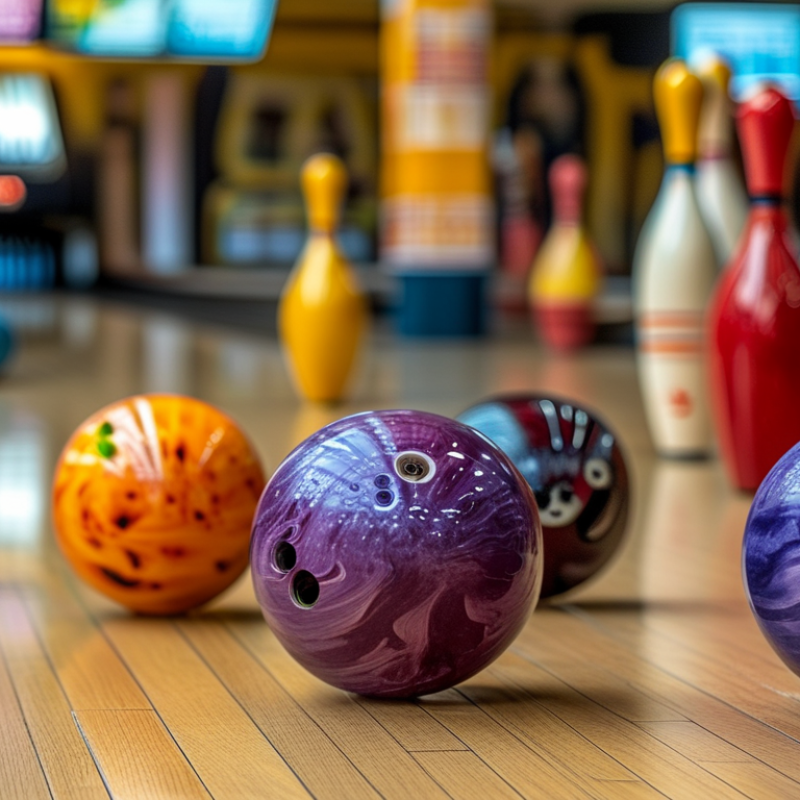
Bowling is evolving. By 2026, quality bowling balls will reflect innovation and player needs. Material technology has advanced. That's crucial for improving performance. Different weights and covers maximize grip and control. Bowlers will prioritize ball trajectory and reaction.
Choosing the right ball is essential. Make sure to consider your style. Some prefer a smooth roll; others want more hook potential. Test different options before buying. A ball that feels right enhances your game.
Tips: Always check the core design. A well-thought-out core can significantly affect performance. Don’t rush your choice; find what truly fits you. Keep your ball maintained for optimal results. Regular cleaning keeps the cover fresh and enhances grip. Each decision matters. Be mindful and reflective about your choices; they influence your overall experience.
When selecting bowling balls, various key features should be considered. The weight of the ball is crucial. Most bowlers prefer a weight that’s about 10% of their body weight. This ensures better control and reduces the risk of injury. A recent report from the Bowling Proprietors' Association of America highlights that 75% of serious bowlers opt for balls weighing 14 to 16 pounds.
The material of the bowling ball also plays a significant role. Polyester and urethane are two common types. Polyester balls are excellent for beginners. They are less expensive and ideal for your first experience. Urethane balls offer more friction and increased hook potential, suiting more experienced players. Additionally, the coverstock's finish can affect ball performance on various lane conditions. A study from Sports Analytics Journal found that bowlers who consider coverstock types see a 25% improvement in their scores over time.
Another essential aspect is the core dynamics. The core impacts how the ball rolls and hooks. Symmetrical cores provide predictable movements. Asymmetric cores can offer more advanced performance adjustments. Many bowlers overlook this feature, yet research suggests that core type can influence a bowler's game significantly. Awareness of these features leads to better choices and improved gameplay. Bowling is not just about style; the right ball can change your score dramatically.
As we look towards 2026, the global bowling ball market continues to evolve. Emerging trends signal a shift in consumer preferences. Bowlers now seek better performance and enhanced comfort. This requires manufacturers to prioritize innovation in designs and materials. Lightweight balls are gaining traction. They are easier to handle and cater to a broader audience.
Sustainability is also creeping into the industry discourse. Eco-friendly materials are increasingly in demand. Buyers are more aware of their environmental impact. They prefer products that align with sustainable practices. This trend calls for manufacturers to rethink their production processes. Transparency in sourcing and manufacturing is crucial for building trust.
However, not all changes are straightforward. The challenge lies in balancing performance with eco-friendliness. Some products that feature green materials may lack durability. Others might not deliver the expected performance. Consumers need to navigate this space carefully. Engaging with the bowling community can help them make informed choices.
As we look ahead to 2026, innovations in bowling ball technology may significantly reshape the sport. Bowling has become more data-driven, with a focus on performance-enhancing features. Reports indicate that materials science advancements could lead to more durable and responsive balls. New polymer blends and core designs may enhance hook potential and control for various styles of play.
A recent study revealed that 75% of serious bowlers prioritize ball weight and feel. This emphasizes the need for manufacturers to adapt designs to better suit individual preferences. Advanced manufacturing techniques, such as 3D printing, promise a new era in customization. Bowlers could soon tailor weight distribution and grip texture to their unique throwing styles. However, balancing performance and production costs remains a challenge.
Moreover, the shift towards eco-friendly materials is gaining momentum. Data shows that 60% of consumers are willing to pay more for sustainable options. This trend reflects a broader awareness of environmental issues in sports manufacturing. Still, finding sustainable materials that meet performance expectations is no small feat. The industry must navigate these complexities while pushing for innovation.
In 2026, many global buyers are seeking high-quality bowling balls. The market is saturated with options. Understanding the best-selling models from leading brands is essential for making informed choices. Research indicates that performance-focused designs dominate sales this year. Players prioritize control, durability, and overall comfort.
Notable features include innovative coverstock materials and core designs. These advancements improve ball reaction on different lane conditions. However, some models are less versatile, limiting their appeal to a broader audience. For instance, certain balls excel on oily lanes but perform poorly on drier conditions. This trade-off can frustrate bowlers who seek all-around performance.
Buyers should also consider factors like weight and grip. A well-balanced ball can enhance precision. However, heavier options can be challenging for beginners. Holistically, examining reviews and player feedback is crucial. Insights from fellow bowlers can help identify which models live up to their claims. Knowing both pros and cons can guide effective purchasing decisions.
: Advanced materials enhance grip and control. New polymer blends offer better durability and responsiveness.
The right ball improves your game. It aligns with your style, whether you prefer a smooth roll or more hook.
Test various options. Pay attention to how they feel in your hand and their performance on the lane.
A well-designed core affects how the ball rolls and hooks. It's crucial in maximizing your overall performance.
Regular cleaning keeps the cover fresh. It improves grip and performance, ensuring better game outcomes.
3D printing allows for customized weight distribution and grip. This could revolutionize how bowlers choose their balls.
Yes, 60% would pay more for sustainable options. However, the challenge is finding materials that perform well.
Each decision influences your experience. Spend time considering what fits your style and needs.
Performance-enhancing features are based on data-driven insights. This approach helps create better products for bowlers.
Trying out various balls helps identify what feels right. It may improve your overall game significantly.
As we look ahead to 2026, the market for top-quality bowling balls is set to evolve significantly. The overview highlights the essential features that buyers should consider, such as weight, coverstock material, and core design, which play a crucial role in performance. Market trends indicate a growing demand for customizable options, allowing bowlers to personalize their equipment according to playing style.
Furthermore, innovations in bowling ball technology are expected to enhance durability and performance, making the game more accessible and enjoyable for players of all levels. With leading brands introducing cutting-edge designs, global buyers will have a wide array of best-selling models to choose from, ensuring that they can find the perfect bowling ball to suit their needs in 2026.
